



When it comes to prostate MRI, experience matters. Discover why choosing an expert with a proven track record can make all the difference in accurate, reliable results. keep reading
Let’s face it, guys. We’re not getting any younger. In fact, society is getting older. The Population Reference Bureau tells us that in the U.S, the number of those age 65 and up is expected to nearly double from 52 million in 2018 to 95 million by 2060... keep reading
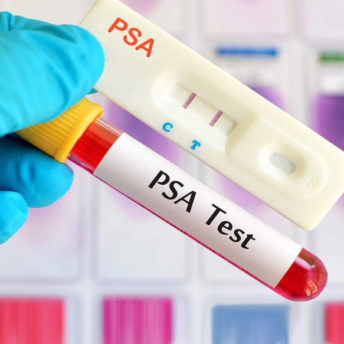
Does PSA screening reduce PCa mortality, or doesn’t it? We know that PSA is not specific for cancer, since many prostate conditions can cause a rise in PSA blood levels. We also know that an elevated PSA can lead to a conventional TRUS-guided biopsy, and that such biopsies can either miss prostate cancer or... keep reading
Artificial Intelligence is transforming prostate MRI interpretation, making it faster and more precise. See how this breakthrough technology is elevating prostate health diagnostics. keep reading
About 30 million American men live with erectile dysfunction, and many suffer in silence out of shame. Yet ED is one of the most treatable conditions in men's health. The first step is finding the cause, physical or psychological, because treating the root problem often matters as much as the pill that restores the erection. keep reading
Let’s pretend that you are a prostate cancer patient whose doctor, a well-known robotic surgeon, recommends robotic-assisted radical prostatectomy (RRP). He makes some very persuasive points: Based on the Partin tables you have less than a 12% chance of biochemical recurrence (rising PSA) in three years after treatment. He’ll “get it all out” and you keep reading
The Sperling Prostate Center is proud to announce that our patient blog was chosen as one of the 10 best prostate cancer blogs in the U.S. by Medical News Today. Dr. Sperling’s blogs incorporate published research as well as his personal observations, reflections and philosophy. We are proud that we have met Medical News Today’s keep reading

A diagnosis of prostate cancer (PCa) can be shocking, even when the cancer is early stage, localized, and considered highly treatable. A secondary shock wave hits when the patient finds out he has a number of treatment choices, but they all have a variety of trade-offs. Suddenly, the man’s fate lies in his own hands keep reading
Medical language is filled with technical terms that are virtually incomprehensible for many patients because in many cases they have Latin or Greek roots. Even when doctors are speaking English, however, they aren’t all using the same terms for the same thing. Take, for example, the expression Active Surveillance (AS). AS is often understood by keep reading
Men need testosterone, but prostate cancer does not. While there is new evidence that use of testosterone replacement therapy does not lead to prostate cancer, once prostate cancer has occurred, it appears to be fueled by testosterone. This is particularly bad news if prostate cancer has penetrated the edges of the gland capsule and begun keep reading
What do you know about the effects of alcohol consumption on your body? Everyone knows that alcohol abuse (heavy drinking) will eventually cause liver damage. But wait, there’s more. Those with a high level of consumption are putting other organs on the line: Brain – alcohol impairs clear thinking and coordination because it muddles the keep reading
In the urologic world, there is a longstanding bias that surgical removal of the prostate gland, or radical prostatectomy (RP), is the preferred treatment for prostate cancer (PCa). It is based in the outdated belief that all PCa is a) multifocal, and b) likely to spread beyond the gland if untreated. Thus, it seemed logical keep reading
“Change is inevitable. Progress is optional.” Tony Robbins In medicine, change sometimes happens with two steps forward but one step back. For example, in the early 20th century, delivering babies in hospitals became more popular than home births in order to have “painless” births with anesthesia. However, for many women the higher complication and infection keep reading
Two problems face men who have a high PSA or abnormal digital rectal exam (DRE). First, they are often referred for a conventional TRUS needle biopsy of the prostate because there is suspicion of prostate cancer (PCa). Second, multiparametric MRI is considered too time-consuming and expensive for routine determination of the need for a biopsy. keep reading
There are so many benefits to detecting prostate cancer (PCa) using multiparametric MRI that it’s hard to single out just one. However, the merits of mpMRI to find PCa in large glands deserve a spotlight. First, a word about prostate size. An average adult gland in younger men is about 30 – 40cc, roughly the keep reading
Once we receive this secure information, a member of our team will be in touch with you as soon as possible to schedule your consultation.
Managing Prostate Cancer Anxiety
A free guide from Sperling Prostate Center
Anxiety after an elevated PSA or a new diagnosis is normal, and more common than most men realize. This free guide covers how stress affects the body and a few simple skills for managing it.