


When it comes to prostate MRI, experience matters. Discover why choosing an expert with a proven track record can make all the difference in accurate, reliable results. keep reading
Let’s face it, guys. We’re not getting any younger. In fact, society is getting older. The Population Reference Bureau tells us that in the U.S, the number of those age 65 and up is expected to nearly double from 52 million in 2018 to 95 million by 2060... keep reading
Does PSA screening reduce PCa mortality, or doesn’t it? We know that PSA is not specific for cancer, since many prostate conditions can cause a rise in PSA blood levels. We also know that an elevated PSA can lead to a conventional TRUS-guided biopsy, and that such biopsies can either miss prostate cancer or... keep reading
Artificial Intelligence is transforming prostate MRI interpretation, making it faster and more precise. See how this breakthrough technology is elevating prostate health diagnostics. keep reading
Understanding erectile dysfunction can lead to better health and confidence. Discover five key facts about ED and how you can take control for a happier, healthier life. keep reading
At first, the headline is surprising, evening shocking: “Obesity Linked to Lower Death Risk in Non-metastatic CRPC[i] (castration resistant prostate cancer).” Does this news report mean that for men with advanced (but not metastatic) prostate cancer that no longer responds to hormones, being fat extends life? This does not seem to make sense. A decade keep reading
What comes to mind when you hear the expression “post traumatic stress disorder” or PTSD? Perhaps it conjures up images of war veterans, crime victims, or natural disasters. We recognize that when something beyond a person’s control creates sudden or catastrophic harm, the person is shaken by it, often deeply. Trauma is defined as a keep reading
Schoolkids learn early in life that they learn better from some teachers than others. Who was your favorite teacher? Chances are it was someone who explained things in a way that made it easy for you to learn – and at the same time, you felt he or she cared and supported you. Doctors as keep reading
Men and cardiovascular disease (CVD) The U.S. Government health statistics don’t paint a very pretty picture of heart disease among men: Heart disease is the leading cause of death for men in the United States, killing 321,000 men in 2013—that’s 1 in every 4 male deaths. Heart disease is the leading cause of death for men of most racial/ethnic keep reading
If you’re wondering what “castration resistant prostate cancer (CRPC)” is, so are many others. Before I write about the good news, I want to back up and talk about what this means. Prostate cancer and testosterone The most newly diagnosed prostate cancer (PCa) cases are composed of slow-growing cell lines. They are typically discovered while keep reading
If you look at an illustration of where the prostate gland is located, it’s easy to find. It’s nestled below and against the bladder, and sits in front of the rectal wall (with a layer of tissue in between). Seeing the illustration, your unconscious mind takes for granted that’s where the prostate always stays. However, keep reading
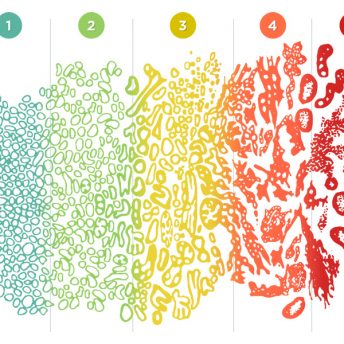
The tremendous international interest in 3T multiparametric MRI (mpMRI) brought with it the challenge of how to standardize the reporting of prostate image analysis among radiologists around the globe. The European Society of Urogenital Radiology (ESUR) proposed a numeric system called the Prostate Imaging Reporting and Data System, or PI-RADS, for prostate cancer detection. It keep reading
Q: Is prostate cancer an “old man’s” disease? A: Yes and no. In general, growing older is considered the biggest risk factor for most types of cancer. This is because genetic instability increases with aging, and it might also be because some people are more susceptible to a lifetime accumulation of environmental toxins that damage keep reading
Let’s pretend that you are a prostate cancer patient whose doctor, a well-known robotic surgeon, recommends robotic-assisted radical prostatectomy (RRP). He makes some very persuasive points: Based on the Partin tables you have less than a 12% chance of biochemical recurrence (rising PSA) in three years after treatment. He’ll “get it all out” and you keep reading
The Sperling Prostate Center is proud to announce that our patient blog was chosen as one of the 10 best prostate cancer blogs in the U.S. by Medical News Today. Dr. Sperling’s blogs incorporate published research as well as his personal observations, reflections and philosophy. We are proud that we have met Medical News Today’s keep reading