If someone could come up with a safe, surefire supplement to slow aging, would the world beat a path to their door? Perhaps not that extreme, but almost certainly a lively marketplace would quickly blossom.
That seems to be the situation surrounding NAD+ supplements. NAD stands for nicotinamide adenine dinucleotide, a molecule found in every living cell. It is essential for hundreds of processes that sustain life, the main ones being energy production, repairing DNA, and keeping cells healthy.
Unfortunately, NAD levels begin to drop as aging sets in. Also, some disease states lead to a decline in NAD levels. Thus, science has turned its attention to studying ways to prevent levels from diminishing—and what would happen if we did.
As the authors of one article note, “Preclinical studies suggest that boosting NAD+ abundance with precursor compounds, such as nicotinamide riboside [NR] or nicotinamide mononucleotide [NMN], has profound effects on physiological function in models of aging and disease.”[i] Many disease conditions are linked with a drop in NAD, including neurodegenerative conditions, cancer, and metabolic syndromes like obesity and diabetes.
It’s tempting to think we can prevent disease or slow the signs of aging by keeping NAD levels as high as in youth. Many studies with both animals and humans have been done, but the results are inconsistent.
What does research show?
You can’t absorb NAD by taking a pill. Thus, studies are not with NAD itself, but with precursors that the body uses to convert to NAD. (Think of eating carrots, which are high in beta carotene, which the body then converts to Vitamin A.) However, research results are problematic.
One problem with most NAD+ precursor studies is small sample size. Findings based on a few dozen people don’t carry much scientific weight. What’s needed is randomized and controlled studies done with hundreds of subjects, and more studies that actually repeat the same findings.
Another problem is diverse study design. Protocols testing an oral NAD precursor vary from one to another in terms of dosage, frequency, duration, etc. Some studies are done with healthy participants; some are done with subjects who have a particular disease such as Parkinson’s disease. Participant ages also vary. Thus, it’s hard to draw a conclusion that can be generalized to the general population. While most studies find that the amount of NAD (as measured by a clinical test) has increased in participants, the actual impact in physiological and biological function is inconsistent across studies.
In lab animals such as mice, there have been some promising results. Animal studies have shown some improvements in things like glucose and insulin regulation, muscle functioning, vascular function, etc. There are biomarkers for lower systemic inflammation and oxidative stress.[ii]
The NAD+ bandwagon
Supplement manufacturers are quick to hop on the bandwagon generated by celebrities and athletes. Many aging Baby Boomers are drawn to such a potential fountain of youth. However, before you rush to your retailer’s supplement aisle, you can help your body maintain NAD levels by the following habits:
- Healthy eating can support your body’s own production of NAD+. This includes foods that are naturally rich in NAD precursors (e.g., broccoli, green beans, spinach, carrots, bananas, oranges, avocados, brown rice, sweet potatoes, lentils, etc.[iii])
- Exercise and physical activity[iv]
- Good sleep habits[v]
A word of caution: NAD and cancer
Clinical theory suggests that increasing NAD levels is a good news/bad news situation when it comes to cancer—including prostate cancer (PCa). On the one hand, since NAD supports DNA repair, and helps lessen oxidative damage from free radicals, it could theoretically help prevent cancerous mutation of cells. On the other hand, cancer cells need NAD to thrive just as healthy cells do. Thus, NAD
…could become a damaging factor later in the phase of cancer progression and promotion. Namely, during cancer promotion, progression, and treatment, increased NAD+ levels could have adverse effects on the malignancy process due to increased cell survival, growth advantage, increased resistance to radio- and chemotherapy, and promotion of inflammation.[vi]
Finally, talk to your doctor before you decide to start taking a NAD+ booster. If you and your doctor agree there’s no harm, and perhaps some real benefit, do your own market research. Avoid products being trumpeted by pop-up ads or TV promotions. Look for supplements manufactured by reputable companies, and if there’s a “clinically proven” claim, track down the exact studies. If there are none, use reasonable skepticism.
Meanwhile, our own blog has many research-based posts on living a long and healthy life. We will continue to track published studies on NAD+, so check back from time to time. We’re not just about your prostate. We value your total health and wellbeing.
NOTE: This content is solely for purposes of information and does not substitute for diagnostic or medical advice. Talk to your doctor if you are experiencing pelvic pain, or have any other health concerns or questions of a personal medical nature.
References
[i] Freeberg KA, Udovich CC, Martens CR, Seals DR, Craighead DH. Dietary Supplementation With NAD+-Boosting Compounds in Humans: Current Knowledge and Future Directions. J Gerontol A Biol Sci Med Sci. 2023 Dec 1;78(12):2435-2448.
[ii] Ibid.
[iii] Phoenix, K. “What Is NAD? Here’s Everything to Know Before You Start Taking Supplements.” Good Housekeeping, Apr. 30, 2025. https://www.goodhousekeeping.com/health/diet-nutrition/a64566791/what-is-nad/
[iv] Poljsak B, Kova? V, Milisav I. Healthy Lifestyle Recommendations: Do the Beneficial Effects Originate from NAD+ Amount at the Cellular Level? Oxid Med Cell Longev. 2020 Dec 12;2020:8819627.
[v] Ibid.
[vi] Poljsak B, Kova? V, Milisav I. Healthy Lifestyle Recommendations: Do the Beneficial Effects Originate from NAD+ Amount at the Cellular Level? Oxid Med Cell Longev. 2020 Dec 12;2020:8819627.
About Dr. Dan Sperling
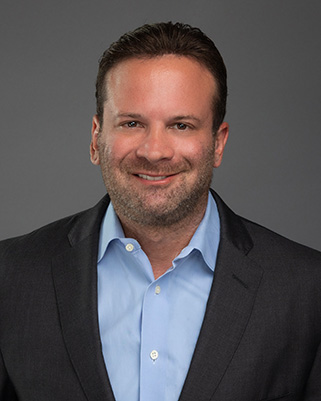
Dan Sperling, MD, DABR, is a board certified radiologist who is globally recognized as a leader in multiparametric MRI for the detection and diagnosis of a range of disease conditions. As Medical Director of the Sperling Prostate Center, Sperling Medical Group and Sperling Neurosurgery Associates, he and his team are on the leading edge of significant change in medical practice. He is the co-author of the new patient book Redefining Prostate Cancer, and is a contributing author on over 25 published studies. For more information, contact the Sperling Prostate Center.