Are your TV and streaming programs interrupted by direct-to-consumer pharmaceutical ads? They promote man-made drugs designed and tested in today’s laboratories. On the other hand, Mother Nature’s laboratories have been at work for millions of years, creating plant and fungal products with therapeutic properties. For millennia, healers around the planet have administered natural substances to ill people—sometimes with remarkable effects.
Does curcumin have healthful properties?
One such natural substance is the spice turmeric. It is an ingredient used in many cultures, adding flavor and a yellow color to dishes like curries, stews, tagines, rice pilaf, etc. It is also used medicinally in Ayurvedic and Chinese preparations.
Turmeric’s principal active compound is curcumin, which has anti-oxidant and anti-inflammatory powers. It’s no surprise, then, that modern laboratories have turned their attention to it. Hewlings & Kalman (2017) write,
It aids in the management of oxidative and inflammatory conditions, metabolic syndrome, arthritis, anxiety, and hyperlipidemia. It may also help in the management of exercise-induced inflammation and muscle soreness, thus enhancing recovery and performance in active people. In addition, a relatively low dose of the complex can provide health benefits for people that do not have diagnosed health conditions.[i]
Does curcumin have anti-cancer effects against prostate cancer?
Currently, there is scientific interest in curcumin’s potential to have molecular anti-cancer effects against prostate cancer (PCa). In contemporary laboratories, curcumin in various formulations is being studied and tested in many ways.
Experiments with curcumin include testing its effects on PCa cells (in lab dishes), or on lab animals implanted with PCa tumors. Its biological mechanisms include molecular actions by which it may change signaling pathways or initiate cancer cell death processes. A 2025 published review of scientific papers summarizes curcumin’s known effects.[ii]
The authors write that laboratory studies have shown that curcumin suppresses the ability of PCa cells to multiply, triggers them to die off, discourages them from developing their own blood supply, and makes them more vulnerable to radiation and chemotherapy. Wow!
In addition, “Unlike conventional chemotherapeutic agents, curcumin can simultaneously modulate several critical oncogenic signaling pathways implicated in PCa pathogenesis…and androgen receptor signaling.” This means that curcumin can be multi-effective, unlike many of the advertised pharmaceuticals that are specifically targeted for a single effect.
Why isn’t curcumin being used with PCa patients?
While laboratory studies appear very promising, there is a reason curcumin is not already in use for treating PCa patients. It has limited bioavailability, meaning it doesn’t work in the human body. According to Hegde, et al. (2023), “Numerous factors including low water solubility, poor intestinal permeability, instability at alkaline pH, and fast metabolism contribute to curcumin’s limited oral bioavailability.”[iii] When administered to lab animals either orally or intravenously, increasing the dose was not only safe for internal organs, but most of it was simply excreted.
Is there a way to make curcumin more bioavailable?
Scientists are researching many methods to make curcumin safely absorbable by humans and effective against PCa. Theories and testing include combining it with other substances, formulating it as nanoparticles, etc. are promising. Some oral formulations of curcumin have, in fact, proven to be bioavailable with minimal side effects (e.g. cold, irritation, indigestibility, and nausea[iv]). Two comparison clinical studies with PCa patients in which curcumin was used in combination (one with intermittent androgen deprivation therapy,[v] one with docetaxel[vi]) showed no effect compared with placebo.
The search will continue. It will combine Mother Nature’s laboratory with that of our contemporary human laboratories. May the force of Nature be with them both.
NOTE: This content is solely for purposes of information and does not substitute for diagnostic or medical advice. Talk to your doctor if you are experiencing pelvic pain, or have any other health concerns or questions of a personal medical nature.
References
[i] Hewlings SJ, Kalman DS. Curcumin: A Review of Its Effects on Human Health. Foods. 2017 Oct 22;6(10):92.
[ii] Esmaeli M, Dehghanpour Dehabadi M. Curcumin in prostate cancer: a systematic review of molecular mechanisms and nanoformulated therapeutic strategies. BMC Cancer. 2025 Oct 18;25(1):1609.
[iii] Hegde M, Girisa S, BharathwajChetty B, Vishwa R, Kunnumakkara AB. Curcumin Formulations for Better Bioavailability: What We Learned from Clinical Trials Thus Far? ACS Omega. 2023 Mar 13;8(12):10713-10746.
[iv] Ibid.
[v] Choi YH, Han DH, Kim SW, Kim MJ et al. A randomized, double-blind, placebo-controlled trial to evaluate the role of curcumin in prostate cancer patients with intermittent androgen deprivation. Prostate. 2019 May;79(6):614-621.
[vi] Passildas-Jahanmohan J, Eymard JC, Pouget M, Kwiatkowski F et al. Multicenter randomized phase II study comparing docetaxel plus curcumin versus docetaxel plus placebo in first-line treatment of metastatic castration-resistant prostate cancer.
About Dr. Dan Sperling
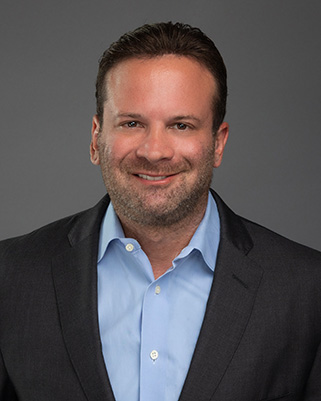
Dan Sperling, MD, DABR, is a board certified radiologist who is globally recognized as a leader in multiparametric MRI for the detection and diagnosis of a range of disease conditions. As Medical Director of the Sperling Prostate Center, Sperling Medical Group and Sperling Neurosurgery Associates, he and his team are on the leading edge of significant change in medical practice. He is the co-author of the new patient book Redefining Prostate Cancer, and is a contributing author on over 25 published studies. For more information, contact the Sperling Prostate Center.